






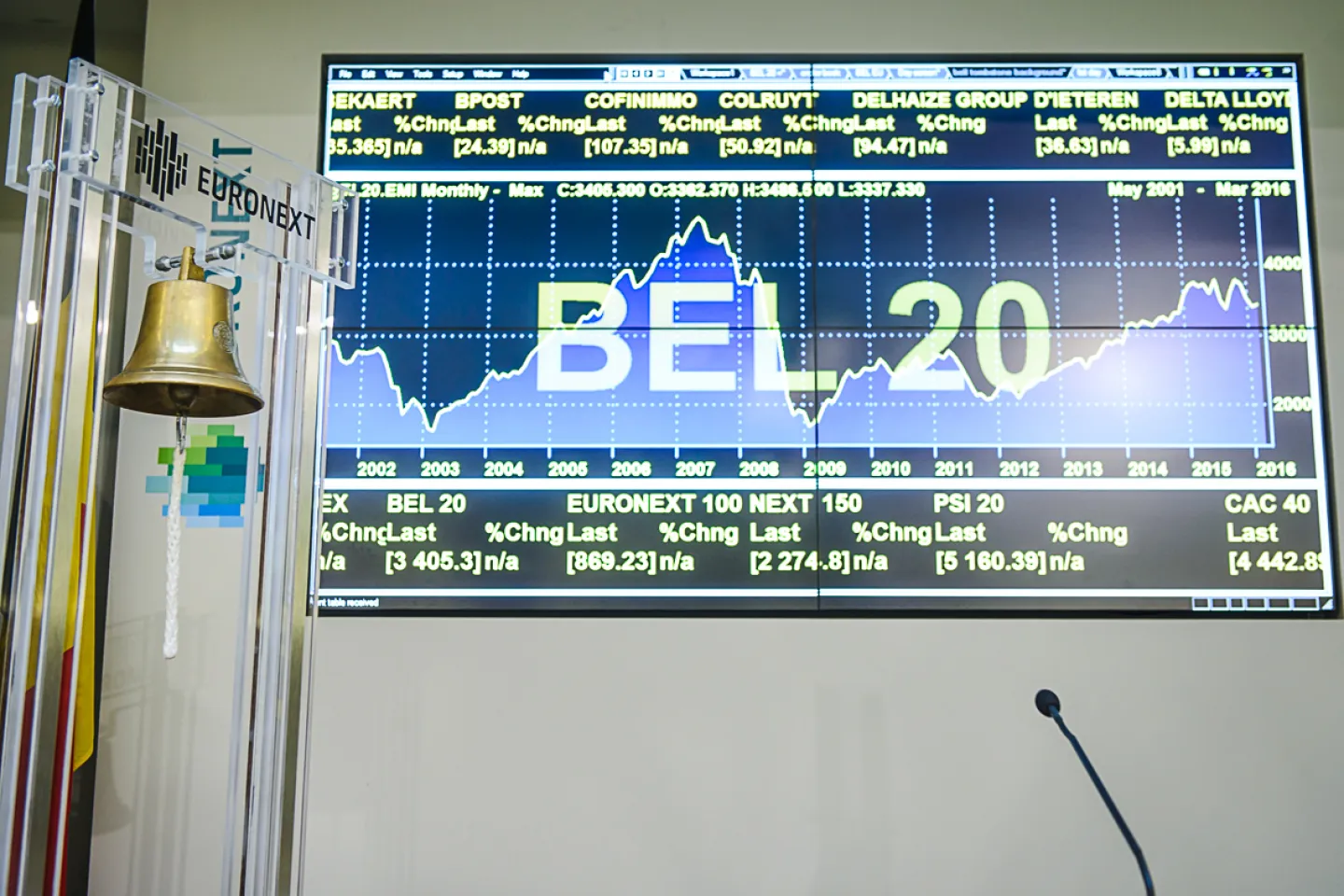


Section description
Euronext Milan, Borsa Italiana, Italy
Section link
Section site
Euronext.com
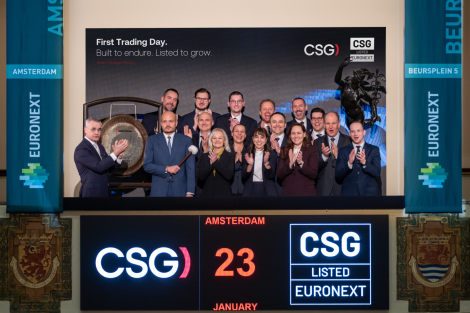
World’s largest defence IPO ever recorded.
Learn more about Euronext’s initiatives to enhance financing and visibility for European aerospace and defence companies

Trade Mini Bond Futures on main European Government Bonds

Euronext is expanding its repo clearing services to boost market access, liquidity provision and collateral optimisation across Europe.
Euronext Securities is shaping the future of European capital markets by enhancing integration, connectivity, and innovation.

The new generation of high-frequency risk trading platforms, offering the highest performance with ultra-low latency and minimal jitter, all at a low total cost of ownership.
The first edition of the Euronext Index Outlook series with a particular focus on the European Strategic Autonomy Index.

Shaping capital markets for future generations
• From 24 to 26 March, Borsa Italiana will host the 25th edition of the Euronext STAR Conference…
100% of open interest seamlessly migrated from Nasdaq to Euronext Nord Pool Power Futures market…
Europe
Over 1,000 attendees participated in the 14th edition of the Euronext Annual Conference…
Europe | Lisbon
Discover how Europe’s largest and most integrated markets can help you reach your business goals. List on our markets.
CAPT

PLGC

ALRIS

SWICH

GKP

CSG

PRXD

BORR
TLM

ALETC
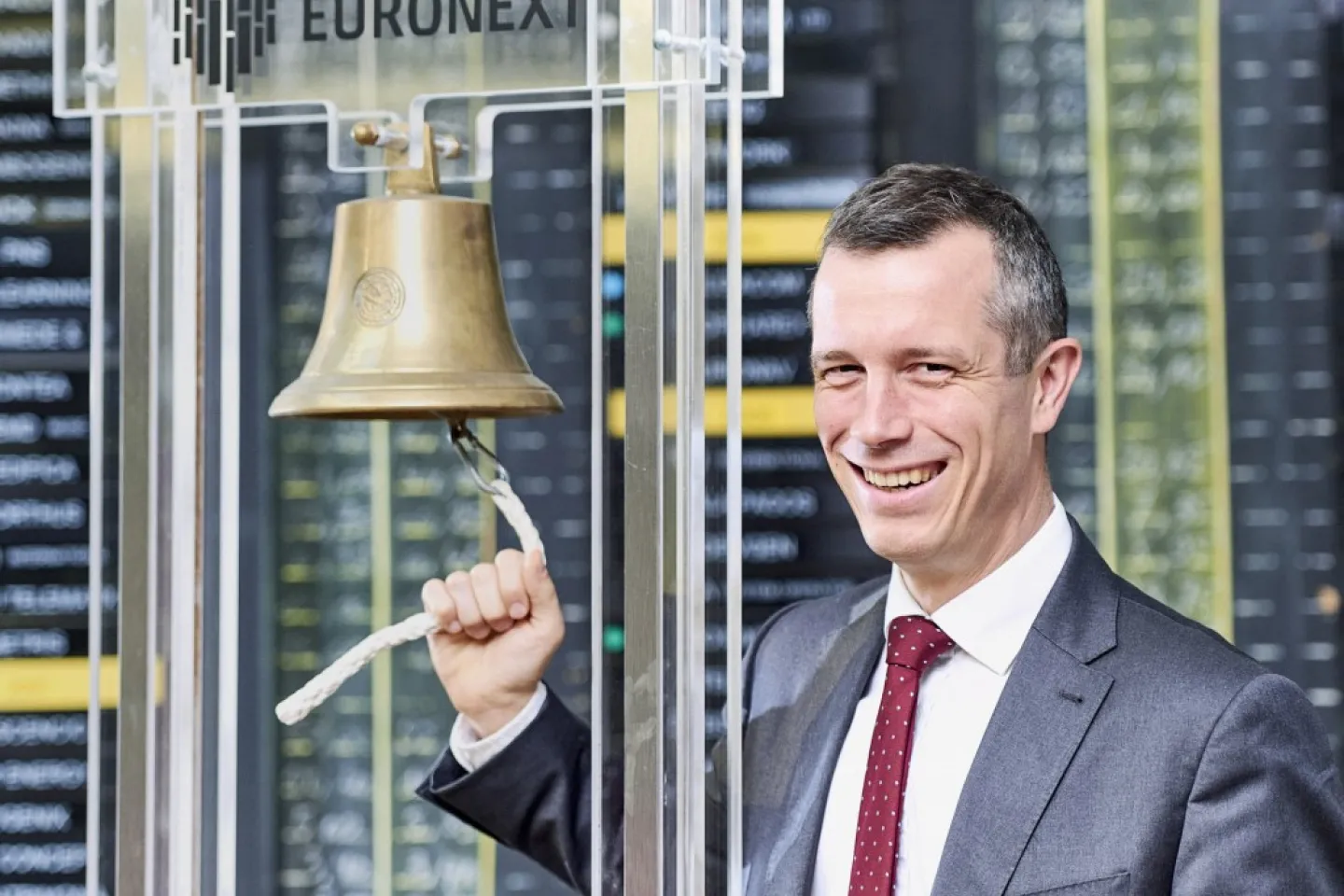
We aim at strengthening the financial ecosystem in Brussels, through a multi-faceted approach. Embracing innovation, enhancing regulations, promoting financial education, supporting sustainable finance, and fostering collaboration are key pillars to unlock markets’ growth and resilience. By strategically investing in these areas and continuously adapting to evolving trends, Euronext Brussels can reinforce Brussel’s position as a leading financial centre, attract global investments, and help entrepreneurs and business leaders realise their ambition by:
Benoit van den Hove
CEO Euronext Brussels
Euronext Brussels benefits from a unique ecosystem of banks, lawyers, auditors, communication agencies and listing sponsors able to assist companies seeking to go public and raise funds. Our market is not only internationally recognised for its strong and dynamic biotech and real-estate franchises, it offers financing solutions, visibility and credibility to more than 100 companies from all sectors and of all sizes. All Brussels-listed companies benefit from Euronext's single pool of liquidity and broad pan-European network.
To have an informal chat on the financing needs of your company, do not hesitate to get in touch with me.
Sophie Stegen
Head of Listing in Belgium
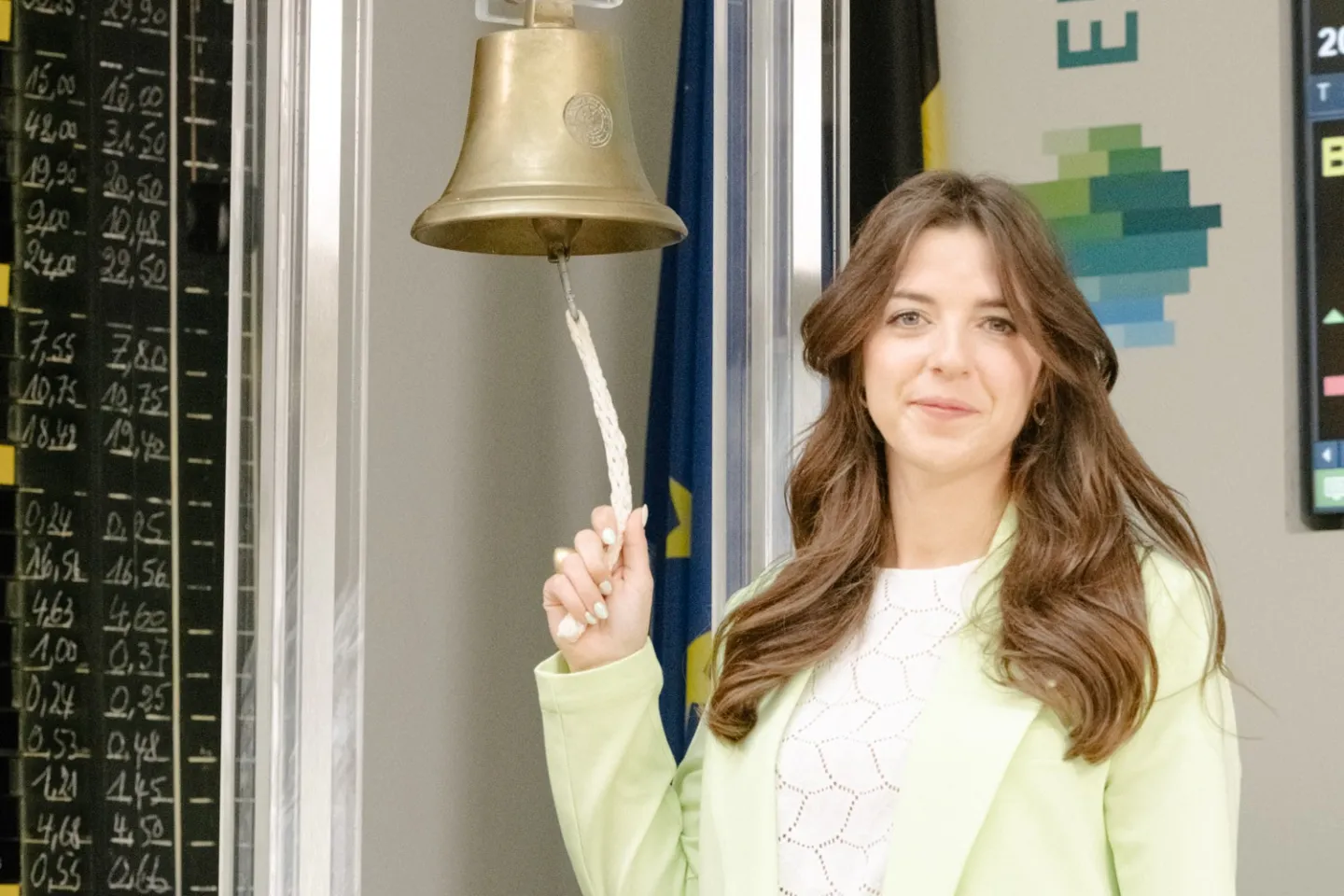

The Euronext Expert Market offers a unique secondary market for non-listed securities.
Any shareholder or bondholder can offer their securities for sale in a secure and transparent environment.
On the Expert Market you can trade Bank Bills (Bons de caisse-Kasbons) as well as family-owned non listed companies or crowdfunded companies.
Private investors cannot trade directly with the Exchange. They require a bank, broker or private wealth manager to execute their order on the Euronext trading platform. Our broker list provides you with an overview of accredited intermediaries.
Brussels – 11 March 2026 – Euronext today announced the results of the 2026 annual review for the…
Brussels
Brussels – 15 January 2026 – Euronext Brussels today hosted its annual New Year Event,…
Brussels
Brussels – 10 December 2025 - Euronext today announced the results of the 2025 quarterly…
Brussels
Visit our Live Markets website for overviews, product specifications and quotes of all listed and traded products. The buttons below will offer you quick access to the Brussels markets. For the full Euronext offer please visit:
Since 1 April 2011, the supervision of the Belgian financial sector is organised with two autonomous regulatory bodies, the Belgian National Bank (BNB) and the Financial Services and Markets Authority (FSMA).
This bipartite model, known as the “Twin Peaks” model, is intended to provide a structure for the two major objectives of the supervision of the financial sector:
A single Euronext Rule Book governs trading on all Euronext Securities and Derivatives Markets. It contains both harmonised and non-harmonised, or local, rules.
The harmonised rules are as follows:
The non-harmonised rules are as follows:
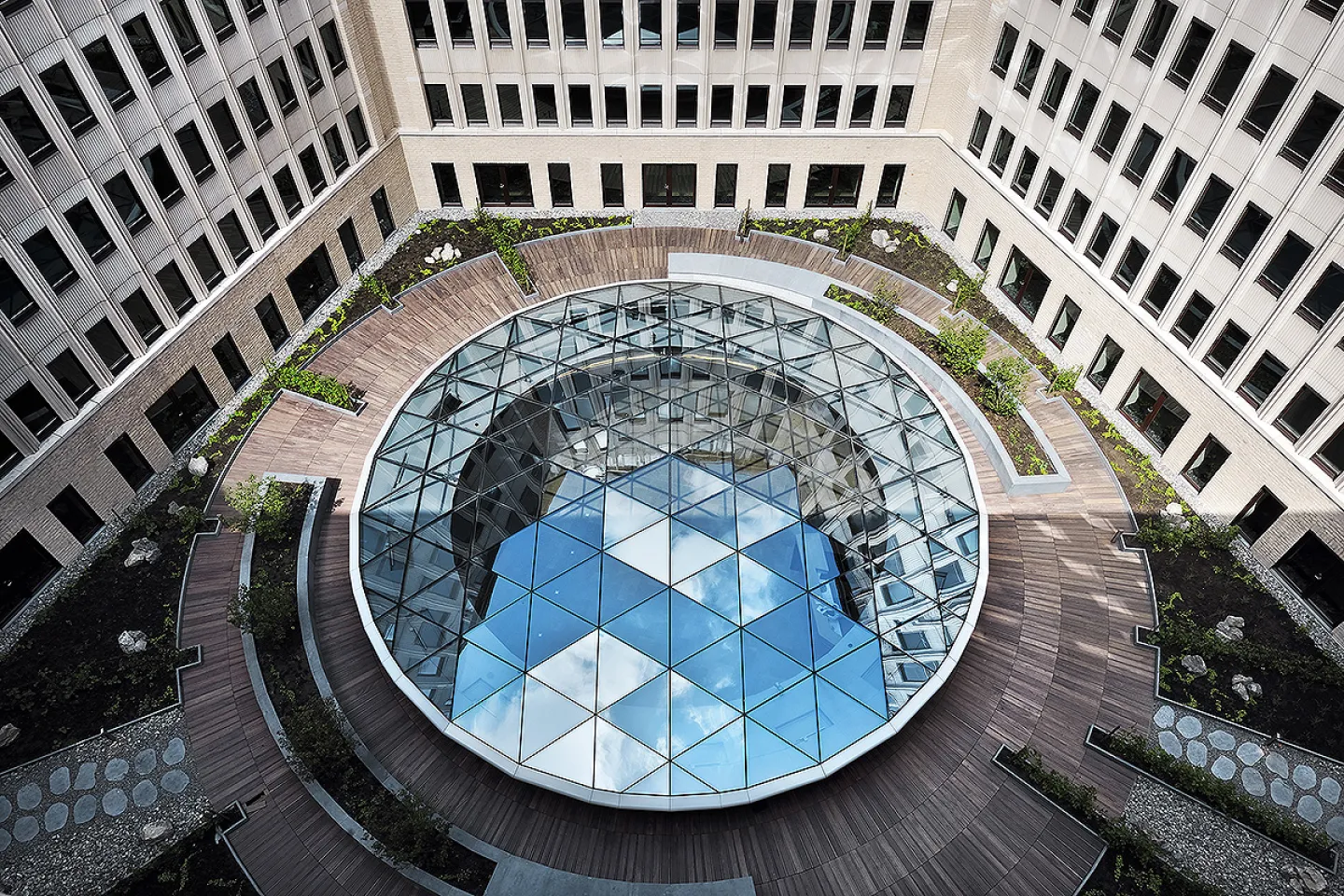
Completion of the Bourse Palace, one of the most emblematic buildings of Brussels, designed by architect Léon Suys

Completion of the Bourse Palace, one of the most emblematic buildings of Brussels, designed by architect Léon Suys
The Brussels Stock Exchange is founded by Napoleon
The Brussels Stock Exchange is founded by Napoleon
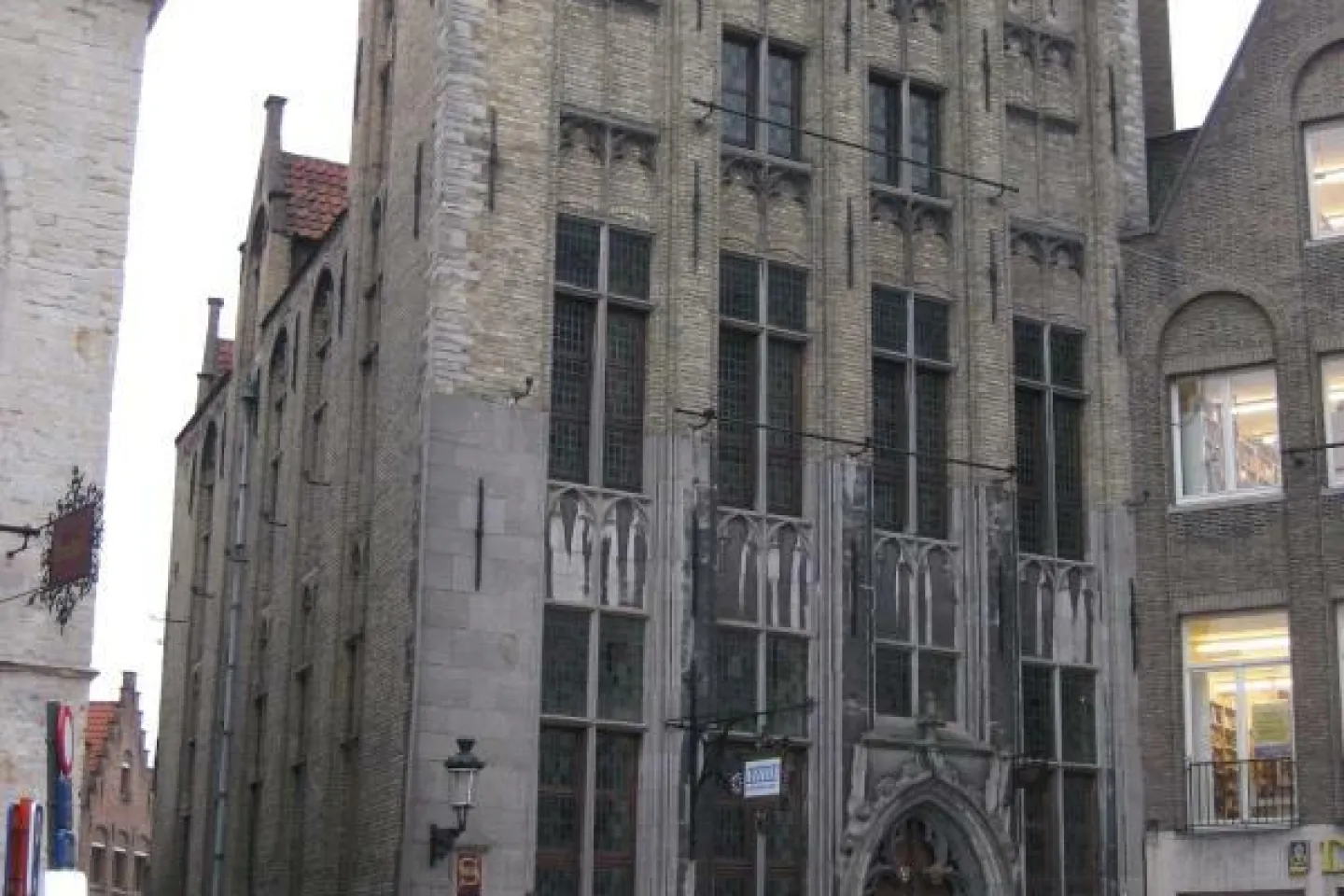
Belgium is the birthplace of the “Bourse” concept.
Belgium is the birthplace of the “Bourse” concept. Merchants used to gather in two pubs of “Van der Buerse”, a family in Bruges, to do business by trading letters of exchange between Italian and Nordic merchants.
Questions?
For any questions about Euronext in Belgium, please email infobrussels@euronext.com
Become a member of the leading pan-European financial marketplace
Euronext is the largest pan-European equity market and a leading exchange for derivatives. Our unique Single Order Book allows you to trade, clear and settle in a uniform way in the deepest liquidity pool in Europe, powered by advanced technology solutions.
Discover the benefits of membership: access to seven European marketplaces (Belgian, Dutch, French, Irish, Italian, Norwegian and Portuguese) via a low-latency, globally secure network, an unrivalled suite of value-added products and services, and operational support from Market Surveillance rooms in Amsterdam, Milan, Oslo and Paris.
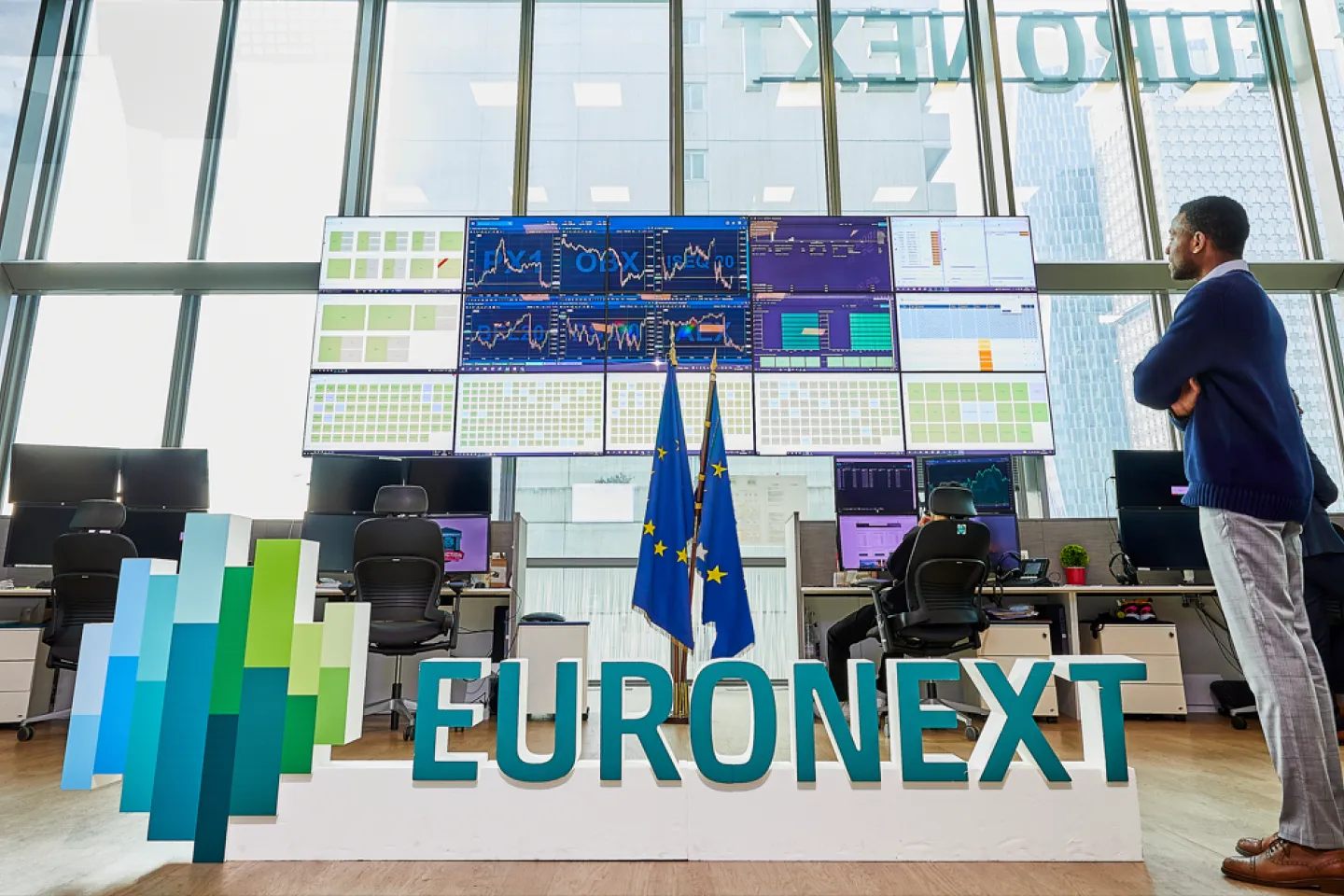
Euronext's diverse pool of trading members includes global investment banks, retail banks and brokers, small and large independent trading firms, liquidity providers and market makers, and local brokerage firms.
View the list of all Euronext trading members currently authorised on the cash and derivatives markets.
Market Makers and Liquidity Providers ensure our unrivalled market quality.
For firms who want to register as primary dealers in Irish Government bonds.
Visit Live.euronext.com for all market information, including product directories, quote information, company profiles. contract specifications, settlement prices, trading calendars, statistics and much more.
Benefit from our wide range of tailor-made trading services and MTFs, designed to support market participants of any type, size and need on multiple asset classes.
Optiq is Euronext's enhanced, multi-market trading platform. It provides customers with maximum flexibility, simplified and harmonised messaging, as well as high performance and stability.
Euronext’s philosophy is not to halt trading except in extreme circumstances. Our trading safeguards help prevent disorderly markets and detect unusual events.
Euronext commits sizeable resources to monitoring market activity and the compliance of issuers and market participants with the statutory requirements. These requirements include issuers’ obligations in relation to reporting, the disclosure of information, and the prohibition against market abuse.
Euronext protocol for incident management and market outages, covering trading platforms on Optiq technology, including regulated Markets and MTFs. A strengthened Serious Incident Process (SIP) and more robust communication processes.
Trading hours, holidays and expiration dates of all Euronext Markets and products.
Market Status is designed to provide you with quick, easy-to-read alerts, updates, and resolution notifications regarding the status of issues impacting Euronext Cash and/or Derivatives Systems as they occur.
Members' first point of contact for all operational queries and support requests on the Euronext Cash Markets, Euronext Derivatives Markets, and our MTFs. Contact us for both Test and Production environments.
Email clientsupport@euronext.com or call:
We can provide software-driven solutions fully hosted from our Bergamo Core Data Centre facility, or deployed at a site of choice.
Euronext Data Centre provides a state-of-the-art Colocation service, and various Connectivity options in our primary data centre in Bergamo, Italy.
Highly reliable and low-latency connectivity solutions for your trading, post-trade and market data services.
Ultra low latency software and technology to
boost pre-trade, trading and post-trade operations.
Manage your data effectively with innovative software solutions.
A convergence of specialised skillsets, cross-functional collaboration and long-term investment in talent



Head of Client Connectivity and Colocation services

Sales and Business Development, Euronext Technology Solutions
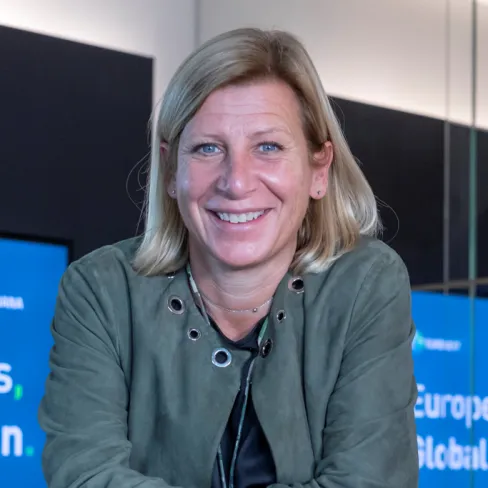
Head of Sales, Group Technology Solutions
Euronext Milan, Borsa Italiana, Italy
Aruba Global Cloud Data Centre - Bergamo - Data Centre and Colocation services
CAC 40® TRF - Total Return Future CAC40
Annual Conference - representatives of listed companies, investors, private equity professionals, credit institutions, advisors, regulators and public authorities