


Our product offering includes Equities, Exchange Traded Funds, Warrants & Certificates, Bonds, Derivatives, Commodities and Indices.
Euronext Markets Live
Euronext Markets Live
National indices
European indices
Currency rates
Education

Educational programme on derivatives trading
In collaboration with key market players.
As part of this initiative, Euronext has been organising a series of informative webinars, featuring expert speakers from the industry. These webinars cover a range of topics, from the basics of options trading to advanced strategies, offering practical insights and tools for investors.

Stock basics - How to invest in stocks
Investing in stocks can be a rewarding journey if approached with knowledge and discipline. By setting clear financial goals, educating yourself, choosing the right brokerage, researching stocks and maintaining a diversified portfolio, you can navigate the stock market with confidence. Read this article to learn more.

Warning
Beware of fake Euronext profiles on social media
Euronext is committed to ensuring transparency and integrity in financial markets. Recently, we have noticed an increase in fake profiles using our name to lure investors, promising easy gains or offering trading services via social networks.
EXPLORE OUR PRODUCT DIRECTORIES
Most active stocks
Updated 03/09/2025 - 19:22 CEST
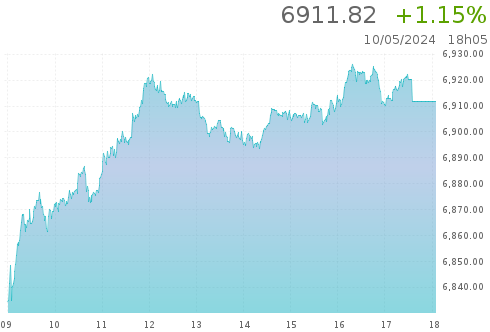
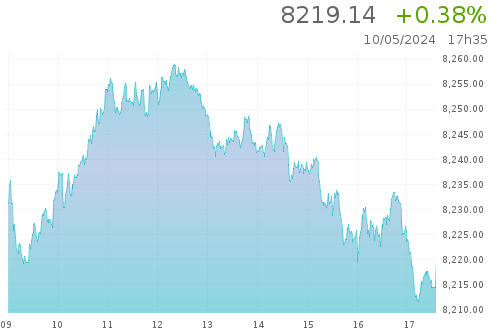
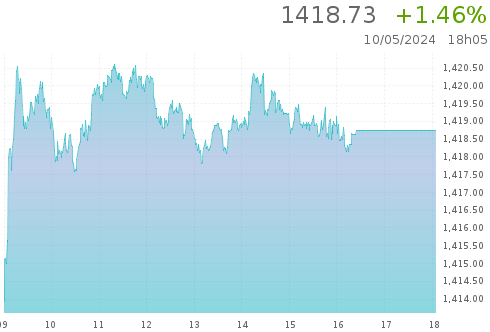
Main indices
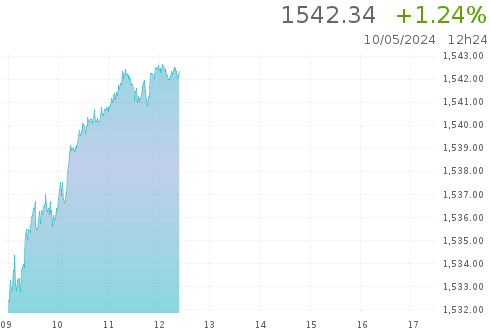
AEX
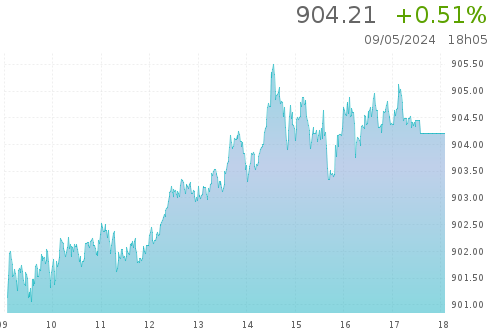
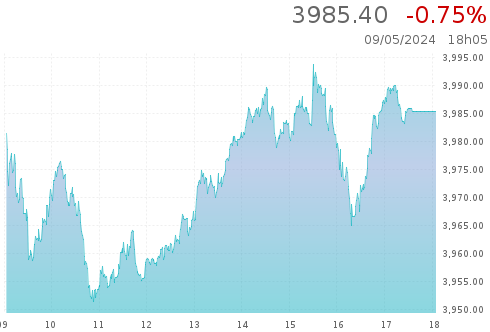
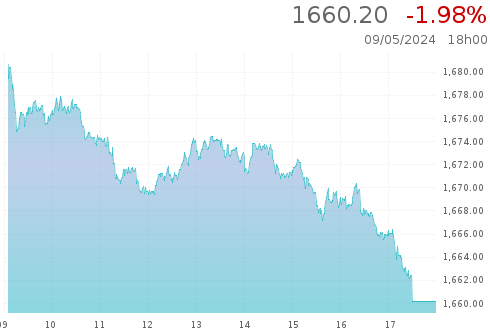
Most active stock derivatives
Updated 03/09/2025 - 18:30 CEST
Most active Index Derivatives
Updated 03/09/2025 - 19:06 CEST
Taking part in sustainable finance should be accessible to all

Euronext Sustainability Week
4-11 September 2025
Join us for a full week dedicated to shaping the future of Sustainable Finance.

Sustainable finance
Learn more about our sustainable partners and find articles and backgrounds on Sustainable finance.
Sustainable partners news
Sustainable network news
-

CSRD: First insights and what’s next
This webinar explores the main lessons from the first Corporate Sustainability Reporting Directive (CSRD) reporting season. Expert speakers share practical insights from early…
#Euronext Sustainable Network